
EN22 ✠ Myths and Realities of the Knights Templar | Order of the Temple ✠

Orden Caballeros Templarios - SOMECT—
The Knights Templar were a medieval military and religious order whose history has inspired numerous legends. Although some stories relate the Templars to the Holy Grail, hidden treasures and secret knowledge, it is important to distinguish between the documented facts and the traditions that have emerged over the centuries.
To talk about the Knights Templar is to delve into one of the most fascinating chapters in medieval history. The Order of the Temple has for centuries aroused the interest of historians, researchers, writers and people drawn to the mysteries of the past.
Its history is full of documented events, but also of legends related to the Holy Grail, the lost treasures, the ancient symbols and the supposed secret knowledge.
Novels, films and outreach works have helped fuel this fascination. What do we really know about the Templars? What stories have historical support and which belong mainly to the field of legend?
Knowing the difference between myth and reality allows us to appreciate even more the extraordinary history of the Order of the Temple, without renouncing the curiosity and wonder that their mysteries continue to awaken.
✠ Who were the Knights Templar, really?
The Order of the Temple emerged in Jerusalem in the early 12th century, in the context of the Crusades. Its first members were primarily dedicated to protecting Christian pilgrims traveling to the Holy Land.
Over time, the Order developed an extensive organization, established encomiendas and fortresses in different European territories and acquired an important religious, military and economic influence.
The Templars followed a religious rule and a hierarchical structure that regulated their daily lives. His story is documented in letters, rules, inventories, pontifical documents and records related to his judicial process.
Precisely, this documentation allows to separate many of the historical facts from the narratives that subsequently appeared.
The myth of the Holy Grail and the Templars
One of the best-known legends relates the Knights Templar to the Holy Grail, an object that occupies a prominent place in literary traditions and numerous stories about the search for sacred relics.
Some modern accounts argue that the Templars found the Grail during their stay in Jerusalem and concealed it in a secret location.
However, there is no conclusive historical evidence to show that the Order discovered or guarded the Holy Grail. The relationship between the Templars and this object comes mainly from literary traditions, later interpretations and works of fiction.
This is not of interest to the legend. On the contrary, it invites us to ask how a medieval order came to become the protagonist of so many stories about sacred objects, spiritual searches and secrets of the past.
The difference is in understanding that a story can be fascinating without all its elements being historically demonstrated.
The Hidden Treasures of the Order of the Temple
Another big question surrounding the Knights Templar is what happened to their riches and property when the Order was suppressed.
In 1307, numerous Templars were arrested on the orders of King Philip IV of France. In the following years, investigations and judicial proceedings were carried out, leading to the official abolition of the Order in 1312.
These events gave rise to numerous stories about hidden treasures, secret documents and valuables that allegedly disappeared.
Although the Order possessed goods, property, and economic resources, the existence of a great Templar secret treasure containing extraordinary relics or legendary riches has not been demonstrated.
Part of the fascination comes precisely from the questions that still arouses the disappearance of the institution and the fate of its different assets in each territory.
✠ Did the Order of the Temple survive in secret?
The official disappearance of the Order in the 14th century has given rise to accounts according to which some Templars would have escaped and continued their activities clandestinely.
These stories appear linked to different places in Europe and to supposed connections with later societies.
What we know documentary is that the Order was suppressed by pontifical decision in 1312 and that its assets were subject to provisions and transfers to other institutions, with differences according to the territories.
Some former members continued their lives and, in certain places, joined other religious or military organizations.
However, an uninterrupted institutional continuity between the medieval Order and the organizations that centuries later adopted the name, symbology or Templar ideals have not been demonstrated.
That is why it is necessary to differentiate between the continuity of a tradition, the modern recovery of ideals and the existence of a historical organization that has maintained a demonstrable documentary succession.
Templar symbols and their possible interpretations
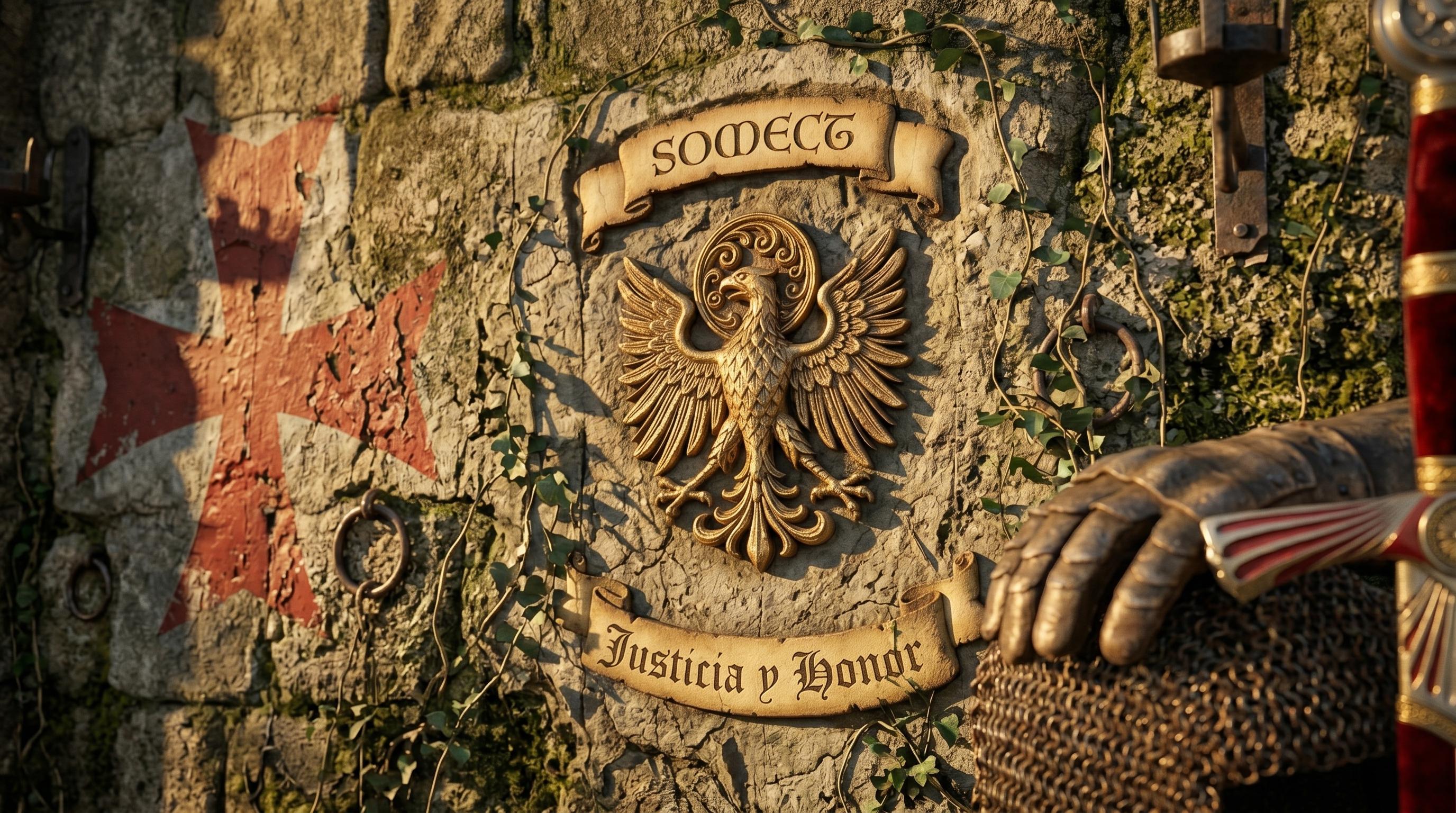
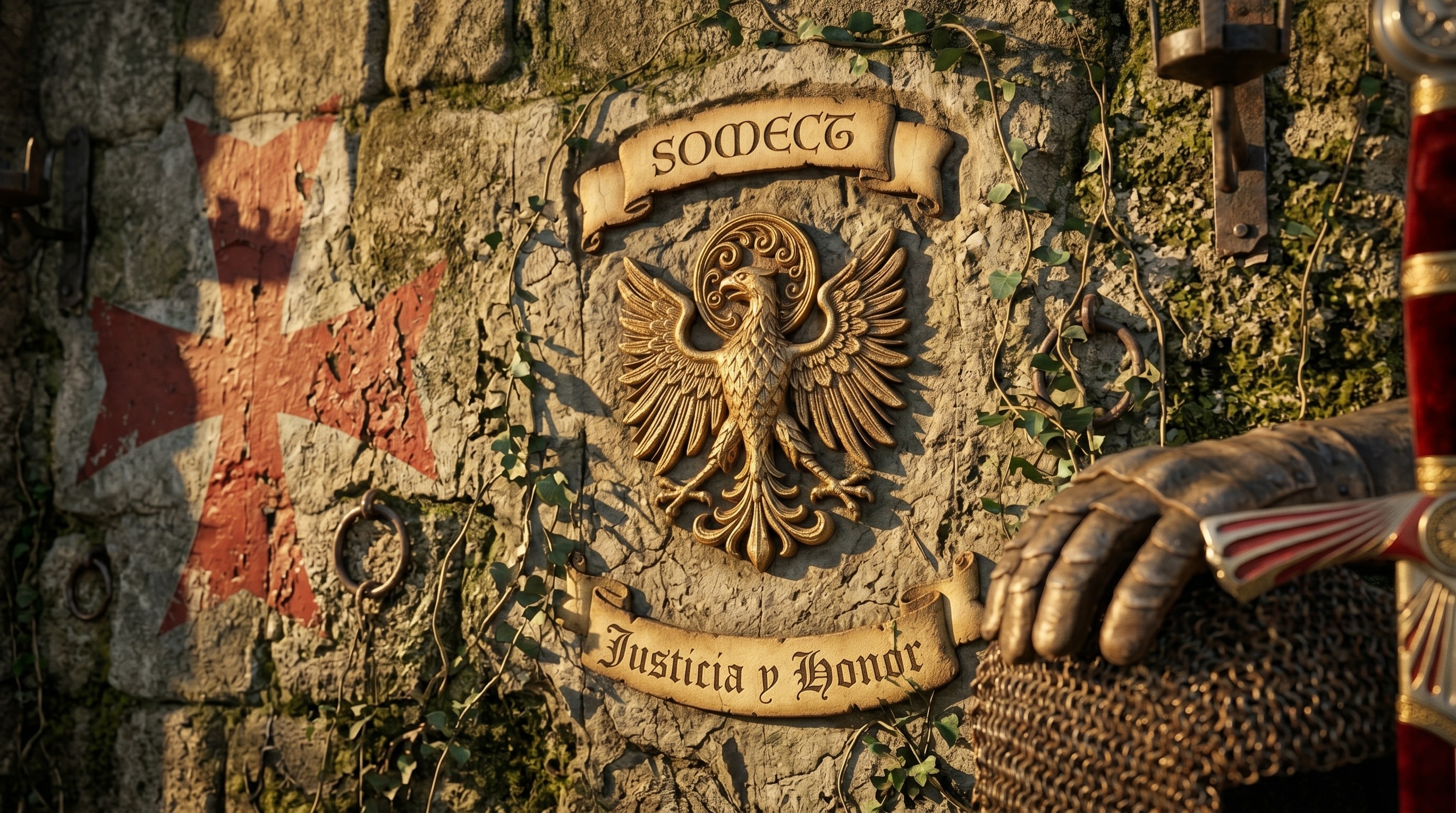
The red cross, cloaks, seals and banners are part of the Knights Templar’s historical identity.
Over the centuries, these symbols have received numerous interpretations, some linked to their religious function and others related to ideas of fraternity, sacrifice, discipline and commitment.
Esoteric interpretations and theories have also appeared that attribute hidden knowledge or secret meanings to the Templar in their constructions and emblems.
Although these interpretations are part of the cultural history surrounding the Temple, not all have documentary backing. That is why it is interesting to study each symbol according to its historical context, without ruling out questions, but distinguishing between the available evidence and the subsequent interpretations.
Myth and reality: why do the Templars continue to fascinate us?
Perhaps one of the reasons why the Knights Templar continue to arouse so much interest is the combination of an extraordinary story with questions that still feed the imagination.
The existence of a powerful medieval order, its rapid expansion, its disappearance and the circumstances of its judicial processes offer a historical context that, by itself, is fascinating.
From there, literature and popular culture have built stories about treasures, relics, secrets and lost knowledge.
Some of these stories lack sufficient proof; others start from real events that have been reinterpreted over time. And there are also historical questions on which the preserved documentation does not allow to offer a definitive answer.
Keeping curiosity open does not mean giving for granted any legend. It means continuing to research, learn how to ask questions and enjoy the discovery of history.
The legacy of the Order of the Temple today
Today, the interest in the Knights Templar continues to be present in historical research, cultural heritage, literature and numerous organizations that are inspired by their tradition.
His legacy understands much more than the legends that have developed around them. It also includes their organization, their constructions, their documents and the role they played in medieval society.
For those who first approach the Order of the Temple, knowing both the documented facts and the legends is an opportunity to better understand this stage of history.
The fascination with the Temple can thus become an invitation to deepen the past, value historical heritage and reflect on the ideals that different people have associated with the Templar tradition over the centuries.
At SOMECT, we will continue to share relevant information in future blog posts, delving into the history, tradition, and legacy of the Order of the Temple. We will keep exploring these topics with interest and respect for the past, while maintaining a keen curiosity about one of the most well-known institutions of the medieval era.
Until then, best regards.
Frequently asked questions about the myths and realities of the Knights Templar
Is it true that the Knights Templar found the Holy Grail?
There is no conclusive historical evidence to show that the Templars found or guarded the Holy Grail. The connection between the two stems primarily from literary traditions and later accounts.
Did the Templars hide a great treasure?
The Order possessed properties and economic resources, but the existence of a vast, secret treasure containing extraordinary relics—such as the one that appears in certain legends—has not been proven.
Did the Order of the Temple survive in secret after 1312?
The medieval Order was officially suppressed in 1312. Although some of its members continued their lives and certain Templar traditions were later revived, no unbroken institutional continuity leading to modern-day organizations has been demonstrated.
Why are there so many legends about the Knights Templar?
Its historical significance, its disappearance, the legal proceedings, and the scarcity of definitive answers regarding certain episodes have given rise to literary accounts, theories, and legends that continue to spark curiosity.
